

Wine Style: The Missing Link Between You and the Bottle
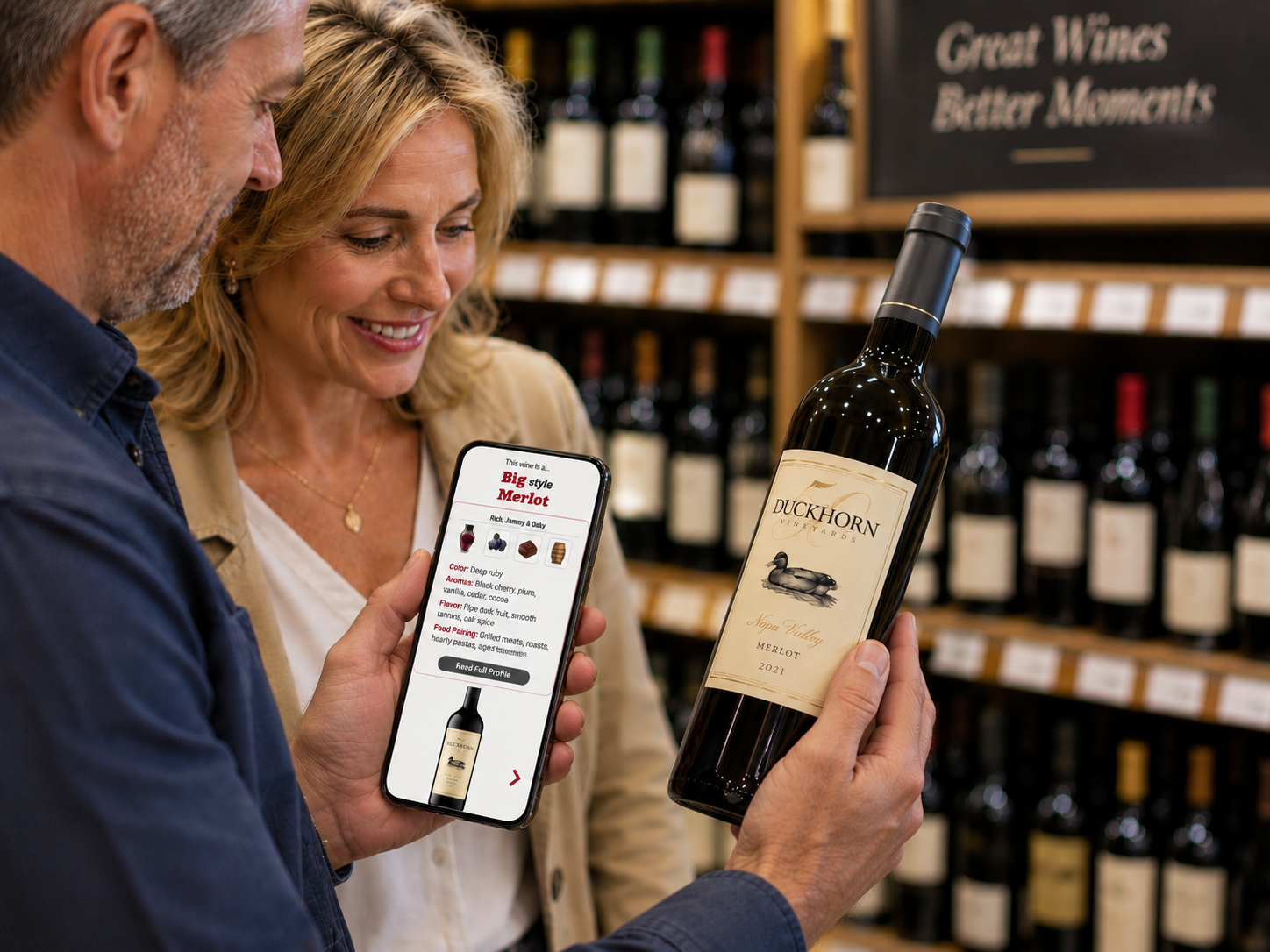
Suppose BottleCru knows that you prefer rich, ripe, full-bodied red wines.
That’s useful.
But now you’re standing in front of 300 bottles in a wine store—or seeing 75 wines on a restaurant list.
How do we get from what you like to which bottle you should choose?
That’s where wine style becomes powerful.
The grape is only the beginning
Most of us start by thinking about wine by the grape: Cabernet Sauvignon, Pinot Noir, Chardonnay, Sauvignon Blanc—or by a familiar blend like Bordeaux Red.
But knowing that doesn’t necessarily tell you how the wine will taste.
That’s where wine style becomes important.
Consider Chardonnay.
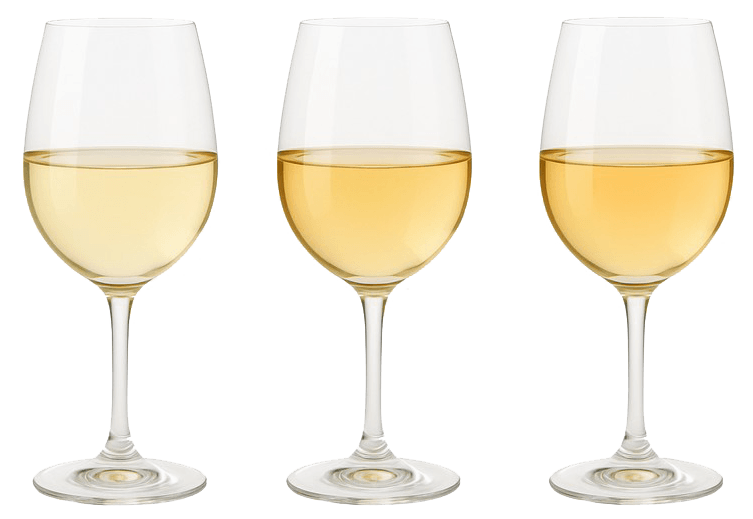
One Chardonnay can be lean, mineral and crisp. Another can be rich, creamy, round and oaky.
Same grape.
Very different drinking experience.
The same thing happens with Cabernet, Pinot Noir, Syrah and even famous wine blends.
So BottleCru goes beyond identifying the wine. It asks:
What style of wine is this?
That becomes the common language connecting the bottle with your palate.
From bottle label to useful information
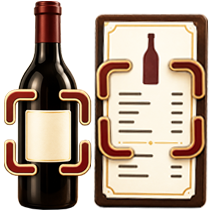
BottleCru’s Bottle Scanner can identify a wine from its label. Its Wine List Scanner can help decipher a restaurant list.
But identifying the bottle is only the beginning.
Once BottleCru understands the wine and its style, it can connect that information to things you actually want to know.
What is this wine likely to taste like?
Does its style match my palate?
Is it a good value compared with similar wines?
Should I drink it now or age it?
Should I decant it?
At what temperature should I serve it?
What foods work particularly well with it?
Suddenly the bottle label isn’t simply an identification tag. It becomes the doorway into understanding the wine.
Ratings still matter—just differently
BottleCru isn’t arguing that professional wine ratings are unimportant.
Quite the opposite.
Professional ratings can provide valuable independent evidence about quality.
Price can tell us something else.
Compare quality and price intelligently within comparable wines and we can begin talking about value.
But BottleCru adds another variable that neither price nor points can provide:
Your preference.
A $150 bottle you don’t particularly enjoy isn’t much of a value to you, regardless of what the critics say.
A terrific $40 bottle in a style you love might be.
That’s why BottleCru doesn’t simply ask:
How highly rated is this wine?
It can ask:
How good is it, what does it cost, what style is it—and how well does that style fit you?
That’s a much more useful conversation.
One organizing idea, many capabilities
This also explains why BottleCru’s features shouldn’t really be viewed as separate gadgets.
The Bottle Scanner, Curated Wine Library, Value Score, Tasting History, Collection Management, aging recommendations and serving guidance are all looking at wine through the same lens.
Wine style.
Instead of asking consumers to learn hundreds of rules about wine, BottleCru uses style as a shortcut to the characteristics that matter in the glass.
And because your Palate Profile is also expressed through styles, something important happens:
BottleCru can connect what it knows about the wine with what it knows about you.
That’s the first big connection:
YOU × WINE
But there is still something missing.
Because we rarely choose wine without a reason.
We’re having dinner. Going to a restaurant. Buying a gift. Hosting friends. Looking for something lower in alcohol. Choosing a bottle for a special occasion.
And once the situation changes, the “right” wine can change with it.
That’s where BottleCru’s third dimension comes in.
The occasion.
BottleCru™. Discover your styles. Savor your wines.