


Good Wine. Served Badly!
You selected a good wine in a wine style you enjoy.
You paired it thoughtfully with dinner.
Then you served the white wine painfully cold—or the red wine at the temperature of a warm dining room.
Even a very good wine can make a poor impression when badly served. Temperature, air, and time can noticeably change what you smell and taste. Yet most serving advice is often reduced to:
Chill the white. Serve the red at room temperature.
Most restaurants do this!!
Good wine deserves more than that!
“Room temperature” refers to another generation.
Serving red wine at room temperature made sense when rooms were much cooler than our modern homes.
At 72°F and 74°F, a red can taste heavier, softer, and more alcoholic than intended. Its fruit may seem overly ripe, and its structure can lose definition.
Many reds show better with a slight chill. Especially lighter styles generally benefit from cooler temperatures, such as Pinot Noirs while fuller-bodied reds like Cabernet Sauvignons can be served somewhat warmer—but usually not as warm as the average dining room.
Some time in the refrigerator can sometimes improve a red wine more than another twenty dollars spent on the bottle.
White wine can be served too cold
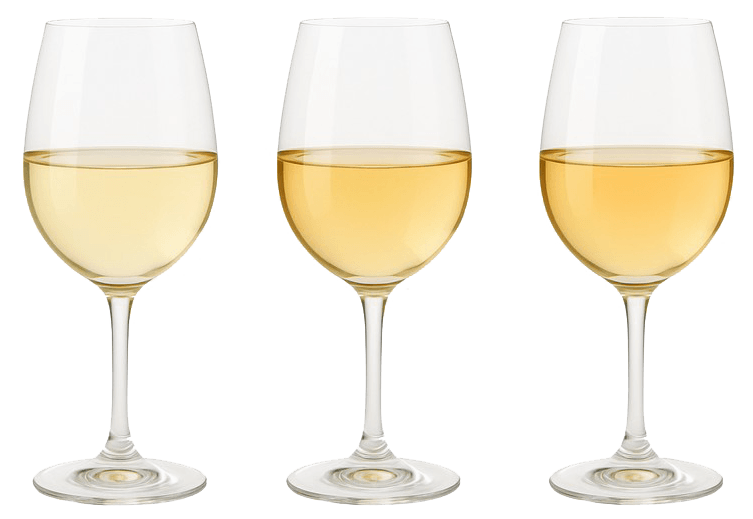
Serving white wine directly from a very cold refrigerator will suppress its aromas and flavors.
Lighter, crisper white styles are refreshing when served cooler. Richer or more aromatic whites often reveal more as they warm slightly in the glass. Sparkling wines should be well chilled, but even they can lose character when served close to freezing.
The best temperature depends on the wine’s style—not simply whether it is red, white, rosé, or sparkling.
Decanting is not just for old wine
An older wine is usually decanted to avoid serving deposited sediment. But a young wine often can be decanted to expose it to air and help expose its aromas and allow its flavors to open.
Young, structured red styles can improve considerably after an hour in a decanter. Firm tannins may soften, and complex aromas may emerge.
But more air is not always better.
Older and delicate wines can fade quickly after opening. Some should be decanted only briefly—or not at all.
By the way don’t be afraid to put the decanter back in the refrigerator to cool the wine down a bit after decanting.
And don’t be afraid to tell a waiter to put a red on ice at your table!
The wine glass and the clock matter too
Some great wines may taste different ten minutes after they are poured—and different again after thirty.
If it seems closed or muted at first, give it some time. Swirling in the glass can also help release its aromas.
A reasonably sized glass with a bowl that narrows toward the rim will serve most wines well. Just leave enough room to swirl it.
And filling the glass to the top may look generous, but it does the wine no favors.
Serve it for its style, not just its color
BottleCru’s temperature serving and decanting recommendations are based on wine style because different styles respond differently to temperature and air.
A light, aromatic Cool Style Pinot Noir should not be served like a Big Style rich and powerful Cabernet Sauvignon. A Cool Style crisp Sauvignon Blanc should not receive the same treatment as a Big Style rich, oak-aged Chardonnay.
Lastly, before deciding that a wine is disappointing, consider whether it is too warm, too cold, too newly opened, or has been exposed to air for too long.
BottleCru guides you based on a wine’s style!
Selecting the right wine matters.
Serving it properly gives the wine the opportunity to prove you were right!
BottleCru™. Discover your styles. Savor your wines.